
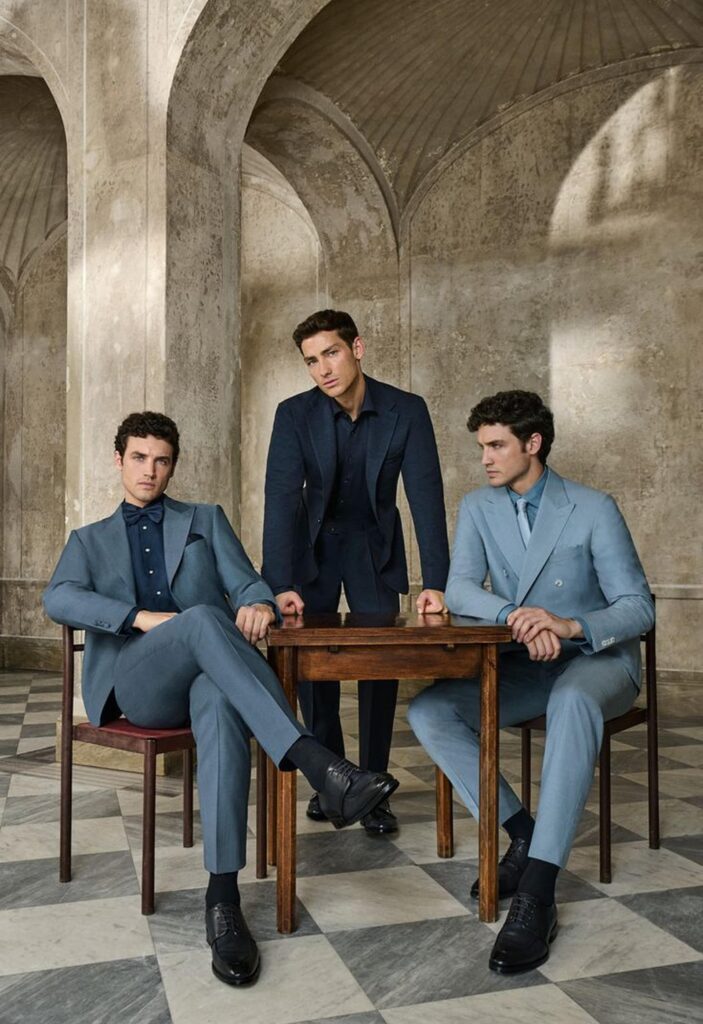
A strong formal wardrobe starts with proper fit, quality fabric, and timeless tailoring. Bespoke suits help men build a wardrobe that delivers comfort, structure, versatility, and long-term value for business, formal events, and daily professional wear. This article explains why bespoke tailoring matters, how to choose the right suit fabrics and colors, the role of custom shirts and tailored trousers, and the essential details that improve appearance, comfort, and confidence. It also covers how to maintain a formal wardrobe with intentional investment and proper garment care.
This guide is designed to help men understand the key elements of a refined formal wardrobe and make informed decisions when investing in bespoke suits and tailored clothing.
Why Bespoke Suits Matter in a Modern Formal Wardrobe
A bespoke suit fits differently. Not just visually, physically too. The weight sits more evenly across the shoulders, the sleeves fall cleaner, and the jacket does not keep shifting every time you sit down or reach forward. A lot of men notice that part first, actually. The comfort.
The Difference Between Bespoke and Ready-to-Wear
Ready-made suits are produced around standard measurements, which sounds practical until you wear one for an entire day. Maybe the collar lifts slightly behind the neck. Maybe the waist feels fine standing up but tight once seated for twenty minutes. Small irritations, though they slowly become the only thing you notice.
Bespoke tailoring starts from the opposite direction. The garment is built around the individual instead of adjusted afterward to “mostly fit.” Measurements are taken carefully, then the suit is refined through fittings where tiny corrections are made. Sometimes the adjustment is barely visible. Half a centimeter near the shoulder can completely change how the jacket hangs.
- Individual measurements shape the overall balance
- Multiple fittings improve movement and comfort
- Softer construction makes long wear easier
And honestly, movement matters more than many people expect. A formal suit should not feel stiff by the middle of the day.
Long-Term Value of Investing in Bespoke Suits
Bespoke suits usually stay relevant longer because the focus is on proportion rather than trend-heavy styling. A clean navy or charcoal suit still works years later if the fit is right. That part rarely changes. There is also a practical side people do not always talk about enough. When clothing fits properly, men tend to stop adjusting it constantly. No pulling at the cuffs. No straightening the jacket every few minutes before walking into a meeting.
Luxury bespoke tailoring is subtle like that. Most people will not immediately say, “that is a bespoke suit.” They just notice the person looks composed, comfortable, and put together without trying too hard.
Building the Foundation of a Refined Formal Wardrobe
Most refined formal wardrobes are actually fairly simple. A few well-fitted suits usually do more work than a closet full of trend-heavy pieces that rarely get worn twice. Men often realize this later, after buying colors or cuts that looked interesting online but felt difficult to wear in real life. The foundation should feel reliable first. Then personal style can build around it.
Choosing Essential Suit Colors
Navy is usually the easiest starting point because it moves comfortably between office wear, formal dinners, and daytime events. It looks sharp without feeling too severe. Charcoal grey has a quieter look. More restrained, maybe. It works particularly well in professional settings where subtle tailoring tends to feel more appropriate than bold styling.
Black suits serve a narrower purpose. They are typically worn for evening functions, ceremonies, or highly formal occasions. In daylight, black can sometimes feel a little harsh depending on the fabric and construction.
- Navy offers the most versatility for regular formal wear
- Charcoal grey works naturally in professional environments
- Black suits are better suited to evening or ceremonial use
Selecting the Right Fabric for Climate and Comfort
Fabric choice changes the experience of wearing a suit more than many expect. Lightweight wool is commonly chosen for daily tailoring because it breathes reasonably well while still holding shape. In warmer weather, heavier cloth starts feeling noticeable by early afternoon. Especially outdoors.
Breathable fabrics and softer construction usually feel easier during long workdays or extended events. Seasonal rotation matters too. Some fabrics drape better in cooler months, while lighter weaves feel less restrictive during heat and humidity.
Prioritizing Fit Over Trends
Fit affects the overall appearance far more than trend-based styling details. If the shoulders sit incorrectly or the jacket balance feels off, even expensive tailoring can look uncomfortable. Small details matter here. Sleeve length. Trouser break. How the jacket closes while standing naturally. A clean silhouette generally lasts longer than exaggerated cuts that fall out of fashion quickly. Good tailoring should look effortless, not overly calculated.
Learn More About: Custom Shirts vs Off-the-Rack: What Changes When a Shirt Is Truly Made for You
Tailoring Details That Elevate Formal Dressing
Formalwear usually looks better when the smaller details are handled properly. Not louder. Just cleaner. A jacket collar sitting flat against the neck already changes the entire impression before anyone notices the fabric or color.
The Importance of Custom Shirts and Tailored Trousers
A good custom shirt makes tailoring feel less restrictive. The jacket slides over it properly, the sleeves sit cleaner, and there is less fabric gathering near the waist after sitting down for a while. That bunching issue happens constantly with standard shirts, especially during long office days.
Trousers are another thing men tend to underestimate. If the rise sits awkwardly or the leg shape feels too aggressive, the proportions of the whole outfit shift. Sometimes only slightly, but enough to make the jacket look heavier than it actually is.
- Tailored shirts improve layering under the jacket
- Balanced trousers help the overall silhouette look cleaner
- Multiple fittings usually improve comfort more than expected
Useful Tip: Look at the Trouser Break While Walking
A lot of fittings are checked while standing still, which is useful, though not enough. Walk a few steps. Sit down. Then stand again. If the trousers collapse heavily near the shoe or pull too sharply at the thigh, the balance probably needs adjustment.
Understanding Construction and Finishing Details
Structured tailoring creates a sharper chest and shoulder line. Softer construction feels easier, lighter, less rigid through movement. Neither is automatically better. Some men prefer more structure for formal business wear, while others want something that feels relaxed enough to wear all day without thinking about it too much.
Lapel shape changes the mood of the jacket more than people expect. Wider lapels usually feel more classic. Narrow ones can look sharp too, though sometimes overly narrow styles age badly after a few years. And then there are the finishing details. Hand stitching near the edges. Cleaner lining transitions. The way the front of the jacket rolls instead of folding flat. Most people will never point directly at those things. They just register that the suit looks right somehow.
Dressing for Formal Events and Professional Settings
Different occasions ask for different kinds of tailoring. A suit that works well in a corporate meeting may feel too rigid for a wedding reception that lasts late into the evening. The goal is not owning dozens of suits for every scenario. Usually, it is about choosing garments that feel appropriate, comfortable, and easy to wear for the setting.
Choosing the Right Suit for Business Wear
Business tailoring tends to work best when it feels understated. Sharp without looking overly styled. Navy and charcoal remain common choices because they move easily between meetings, presentations, office dinners, and professional travel without drawing unnecessary attention.
The practical side matters too. Men who wear tailoring regularly often prefer lighter construction because heavy jackets become tiring after long hours indoors. Especially in warmer weather or crowded conference spaces where the air starts feeling dry by mid-afternoon.
- Navy and charcoal suits adapt well to most professional settings
- Breathable construction improves comfort during long workdays
- Simple shirt and tie combinations usually look more polished over time
Useful Tip: Pay Attention to How the Jacket Feels While Sitting
A jacket can look perfect while standing still and still feel uncomfortable once seated for thirty minutes. During fittings, sit down naturally instead of only checking the mirror upright. If the front pulls too sharply near the buttons or the collar shifts backward, the balance likely needs adjustment.
Investing in Wedding and Occasion Tailoring
Wedding tailoring works a little differently from business wear. The suit needs to look refined, obviously, though comfort becomes equally important because formal events often last for many hours. Walking, standing, greeting guests, sitting through ceremonies. A stiff jacket starts feeling exhausting surprisingly fast.
Fabric coordination matters here too. Lightweight cloth and softer tailoring usually create better movement, especially during warmer seasons or evening receptions. Some men focus heavily on appearance during wedding fittings and only later realize they overlooked comfort entirely. Good occasion tailoring should still feel elegant by the end of the night, not only during photographs at the beginning.
Maintaining a Bespoke Formal Wardrobe
A bespoke wardrobe does not really stay sharp on its own. Even good tailoring starts looking worn if the garments are overused or stored badly. Usually the first thing to go is the trouser shape. Knees soften a little. The fabric near the seat starts looking tired. Not dramatic at first, just less crisp than before.
Proper Suit Care and Storage
After wearing a suit all day, especially in warm weather, it helps to leave it out for a while before putting it back into the wardrobe. Fabric holds onto moisture longer than people think. You may not notice it immediately, though the cloth does. Brushing helps too. Mainly around the sleeves and lower trouser area where dust settles during the day. Nothing excessive.
Good hangers are worth mentioning because cheap thin ones slowly ruin the shoulder line. It happens over time, then suddenly the jacket never sits quite the same again.
- Let suits air out before storing them
- Rotate garments during the week when possible
- Use wider hangers to support jacket structure
Useful Tip: Watch the Trousers More Than the Jacket
Most men focus on preserving the jacket because it is the most visible part. In reality, trousers usually wear out faster. Sitting, walking, commuting, long office hours. They absorb most of the strain.
Updating Your Wardrobe with Intention
A formal wardrobe generally looks better when it grows slowly. One dependable navy suit worn regularly is usually more useful than several trend-heavy pieces that feel dated after a year or two. Seasonal fabrics make a difference as well. Lightweight tailoring tends to feel easier during hotter months, while slightly heavier cloth gives cleaner structure once temperatures drop. You notice it mostly in the drape. And honestly, some trends just do not age particularly well. Extremely tight cuts are a good example of that. Clean proportions usually last longer.
Build a Formal Wardrobe That Works for Years
A well-made bespoke wardrobe improves comfort, confidence, and everyday presentation in ways ready-made tailoring often cannot. The right fit, fabric, and construction make formalwear easier to wear across business meetings, weddings, and professional events. If your current suits feel restrictive, outdated, or inconsistent in fit, now is the right time to invest in tailoring built specifically around you. Contact Vogue Atelier to begin your bespoke fitting experience before your next important occasion.
You May Also Like: Luxury Suit Fabrics and Styles Popular Among Dubai Professionals
FAQs
What is the main advantage of a bespoke suit?
A bespoke suit is designed around individual measurements, posture, and movement. It provides better comfort, cleaner fit, improved balance, and longer-lasting versatility compared to standard ready-to-wear tailoring.
How many fittings are usually needed for a bespoke suit?
Most bespoke suits require multiple fittings to refine sleeve position, jacket balance, trouser length, and overall comfort. These adjustments help create a more natural and accurate fit.
Which suit color is best for a professional wardrobe?
Navy and charcoal grey are usually the most versatile choices for professional settings. They work well for meetings, formal business wear, and evening occasions without feeling overly formal.
Why is fabric selection important in formal tailoring?
Fabric affects comfort, breathability, structure, and daily wearability. Lightweight and breathable materials usually feel easier during long workdays, especially in warmer climates or extended formal events.
How long can a bespoke suit last with proper care?
A well-maintained bespoke suit can remain in regular use for many years. Proper storage, rotating garments, and careful fabric maintenance help preserve structure, shape, and overall appearance over time.