
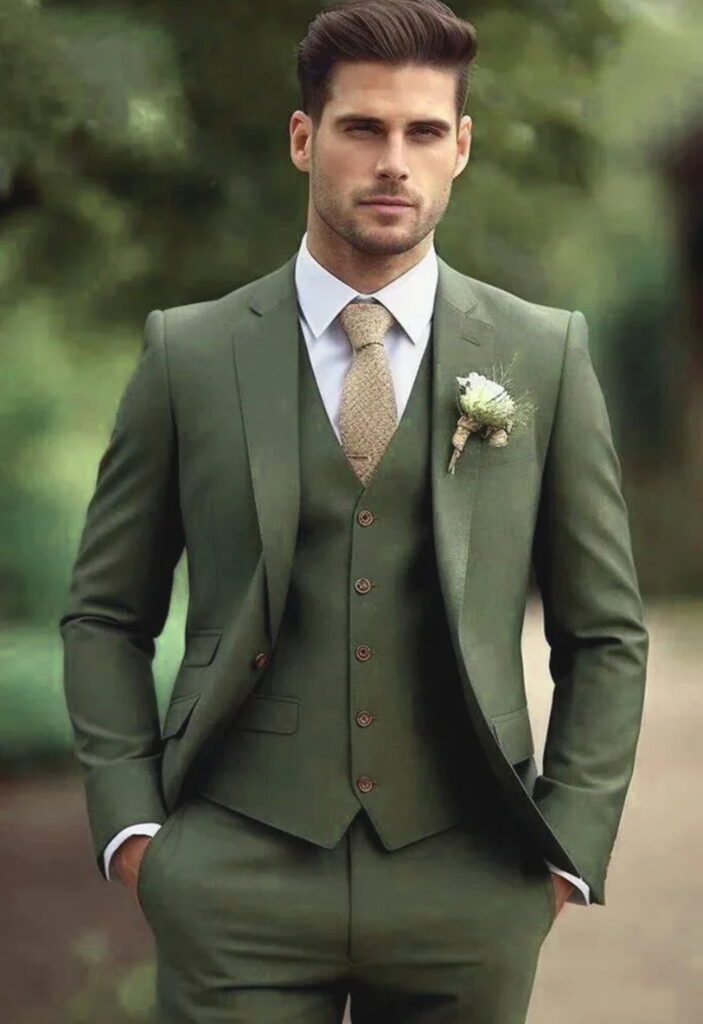
Wedding suit trends for men now focus on a balance between timeless tailoring, modern fit, comfort, and personal style. Today’s wedding suits are designed to provide refined structure while allowing easier movement and long-hour comfort throughout ceremonies and receptions. This article explains the difference between classic and modern wedding suit styles, the most versatile wedding suit colors, current fabric and tailoring preferences, and the importance of fit when choosing formal wedding attire. It also covers how to select a wedding suit based on season, venue, and long-term wearability.
Modern wedding tailoring has shifted toward softer construction, breathable fabrics, cleaner silhouettes, and more versatile styling that remains visually refined without feeling overly rigid. Understanding these details helps men choose a wedding suit that feels comfortable, photographs well, and remains relevant beyond the wedding day.
Understanding Modern Wedding Suit Trends for Men
Wedding suits have changed quite a bit. A few years ago, many grooms leaned toward very structured tailoring with sharp shoulders and heavier fabrics because that was seen as the “proper” formal look. Now the focus feels different. Men still want elegance, obviously, though comfort has become part of the conversation too. Nobody wants to feel trapped inside a stiff jacket halfway through the reception.
Why Wedding Tailoring Has Shifted in Recent Years
Modern wedding tailoring feels lighter overall. Softer shoulder construction, easier drape through the chest, less rigidity around the body. The suit still looks formal, just not overly strict. That difference becomes noticeable after several hours of standing, greeting guests, moving around, sitting through dinner. Weddings are long.
A lot of grooms also want the suit to reflect personal style rather than following rigid formalwear rules. Some choose textured cloth with a softer matte finish instead of high-shine fabric. Others prefer cleaner silhouettes that feel natural in photographs without looking overly fashion-driven.
- Softer tailoring makes movement easier during long events
- Breathable fabric helps reduce discomfort in warmer settings
- Personal styling choices now influence wedding tailoring more strongly
Useful Tip: Pay Attention to the Jacket After Sitting Down
Some suits look excellent standing still but tighten awkwardly once seated. During fittings, sit naturally for a few minutes instead of checking the mirror only upright. The difference shows quickly.
The Balance Between Timeless and Modern Styling
Classic tailoring still shapes most wedding suits today. Balanced lapels, clean jacket proportions, proper trouser length. Those details remain because they continue to look refined year after year.
The modern side usually appears in quieter ways. Slightly softer structure. Relaxed drape through the jacket. More natural fabric texture. Even the way cloth catches light matters. Overly shiny materials can feel harsh in daylight photography, while softer textures tend to look calmer and more natural. And honestly, wedding photos make these decisions more important than people expect. Trend-heavy cuts sometimes age faster than the couple anticipated. A cleaner silhouette generally holds up better years later.
Classic Wedding Suit Styles That Remain Relevant
Some wedding suits still look good years later because the tailoring was balanced properly from the beginning. Not overly tight. Not aggressively styled. Just clean proportions, good fabric, and a fit that feels natural on the body. That tends to age better in photographs too.
Traditional Suit Colors for Formal Weddings
Navy continues to be one of the safest choices for wedding tailoring because it works across daytime ceremonies, evening receptions, and formal indoor settings without feeling too heavy. It also pairs easily with white shirting and darker formal shoes, which probably explains why so many grooms return to it. Charcoal grey feels quieter. More understated. In certain lighting, especially evening venues, it can look softer than black while still keeping a formal appearance.
Black tailoring remains associated with ceremonial dressing and evening weddings. Though truthfully, black suits need careful fitting because darker cloth makes imbalance more noticeable. Slight pulling near the waist or extra fabric around the sleeves stands out quickly.
- Navy works comfortably across most wedding settings
- Charcoal grey creates a more subtle formal look
- Black suits are strongest for evening or ceremonial wear
Useful Tip: Look at the Suit From the Side, Not Only the Front
A suit can appear perfectly balanced from the front mirror and still look awkward from the side profile. Jacket length and trouser line become much easier to judge once you turn slightly.
Timeless Tailoring Details
Classic tailoring usually depends on proportion more than trend. Structured shoulders create definition through the upper body, while clean lapels help the jacket feel refined without looking overly sharp. If those proportions are correct, the suit tends to feel relevant longer.
Trouser break matters too, maybe more than most men expect. Too much fabric gathering near the shoe can make even expensive tailoring feel heavy. Too little can look abrupt. There is a middle point where everything just settles properly. And honestly, extremely trend-focused cuts rarely stay appealing for long. Wedding photographs have a way of revealing that later.
You May Also Like: Choosing the Right Men’s Suit in Dubai for Work, Events, and Daily Wear
Modern Wedding Suit Styles and Contemporary Trends
Modern wedding tailoring has moved toward comfort and ease without losing formality. The overall look feels less rigid now. Jackets move more naturally, fabrics breathe better, and the styling tends to feel more personal instead of strictly traditional. A lot of grooms still want elegance, obviously, though not the kind that feels uncomfortable three hours into the event.
Softer Construction and Relaxed Tailoring
Heavier wedding suits used to be far more common, especially styles with stiff chest structure and strong shoulder padding. That approach created a sharp silhouette, though it could also feel restrictive during long ceremonies or crowded receptions.
Current tailoring leans softer. Lightweight fabrics and breathable construction help the suit sit more naturally on the body, especially in warmer climates or outdoor settings where heavy cloth becomes noticeable quickly. Natural shoulder lines are also more common now because they create a cleaner drape without making the upper body look overly rigid.
- Lightweight tailoring improves comfort during extended wear
- Softer shoulders create a more natural silhouette
- Breathable fabrics help maintain ease throughout the event
Useful Tip: Check How the Jacket Feels After an Hour
A wedding suit should still feel comfortable after extended wear, not only during the fitting. If the fabric already feels heavy indoors, it will probably feel worse later during the actual event.
Current Color and Fabric Preferences
Modern wedding color choices have expanded beyond traditional navy and black. Earth tones, muted neutrals, and softer shades are appearing more often because they feel less severe and photograph well in natural lighting. Some fabrics also carry texture more visibly now. Matte finishes, subtle weave patterns, slightly brushed surfaces. Small details, though they add depth without making the suit look busy.
Season matters too. Lightweight fabrics generally work better for warmer months, while slightly denser cloth provides cleaner structure during cooler seasons or evening weddings.
Styling Details That Modernize Wedding Tailoring
Modern styling usually comes through restraint rather than excess decoration. Double-breasted jackets and peak lapels remain popular, though the proportions are often softer and less exaggerated than older formalwear styles. Clean finishing matters more now than obvious statement details. Simple shirt coordination, balanced trouser shape, and minimal styling choices tend to create a more refined overall appearance.
And honestly, overly complicated styling can distract from the tailoring itself. The strongest wedding looks usually feel intentional without appearing overworked.
Choosing the Right Wedding Suit for the Occasion
A wedding suit usually works better when it feels connected to the setting instead of simply looking formal on its own. The same suit can look refined at one wedding and strangely out of place at another. Lighting changes it. Fabric changes it. Even the time of day changes how the tailoring comes across in photographs.
Matching the Suit to the Wedding Setting
Daytime weddings generally feel lighter visually, so softer fabrics and more relaxed tailoring tend to sit more naturally in that environment. Heavy formalwear under bright daylight can sometimes feel too stiff, especially outdoors where movement and heat become part of the experience pretty quickly.
Evening weddings allow slightly deeper colors and sharper tailoring because darker surroundings naturally support more formal structure. Indoor venues also handle heavier fabrics better than outdoor settings where breathability starts mattering after an hour or two.
- Lighter fabrics usually feel easier for daytime ceremonies
- Outdoor weddings benefit from breathable construction
- Evening events often suit darker and more structured tailoring
Useful Tip: Walk Around During the Final Fitting
Not just a few steps either. Sit down, turn slightly, walk naturally. A bespoke suit should move comfortably through the entire event, not only look sharp while standing still in front of a mirror.
Prioritizing Fit and Long-Term Wearability
Good fit tends to outlast trends. That sounds obvious, though it becomes important later when looking back at wedding photographs years afterward. Extremely tight jackets and exaggerated trouser shapes often date faster than people expect. Multiple fittings help the tailoring settle properly around the body. Sometimes the adjustment is tiny, almost invisible, though it changes how the suit hangs when moving or sitting.
A lot of men also prefer wedding tailoring they can wear again afterward. Formal dinners, business functions, evening events. A well-balanced suit usually has more value when it continues working beyond the wedding day itself.
Choose a Wedding Suit That Still Feels Right Years Later
The best wedding suit is not only about appearance. It should feel comfortable through the entire event, photograph naturally, and remain timeless long after the wedding day. Starting early allows proper fittings, fabric selection, and tailoring adjustments without unnecessary pressure close to the ceremony. If you are planning your wedding soon, contact Vogue Atelier now to begin a bespoke wedding tailoring experience designed around your fit, style, and occasion.
Learn More About: Everything You Need to Know About Bespoke Suits for Men
FAQs
What suit color is best for a modern wedding?
Navy remains the most versatile wedding suit color because it works well for daytime, evening, indoor, and formal settings while staying timeless in photographs and future formal occasions.
How early should a groom start wedding suit tailoring?
Wedding tailoring should ideally begin several weeks before the ceremony to allow enough time for measurements, fabric selection, fittings, and final adjustments without unnecessary last-minute pressure.
Are lightweight wedding suits better for warmer climates?
Lightweight and breathable fabrics usually feel more comfortable during warm-weather weddings. Softer construction also improves movement and reduces heaviness during long ceremonies, receptions, and outdoor celebrations.
What makes a wedding suit look timeless?
Balanced proportions, proper fit, clean lapels, and quality fabric usually create a timeless wedding look. Extremely trend-focused cuts often lose appeal faster in long-term wedding photography.
Can a wedding suit be worn again after the ceremony?
A well-tailored wedding suit can often be reused for formal dinners, business functions, evening events, and special occasions, especially when the styling remains versatile and understated.