
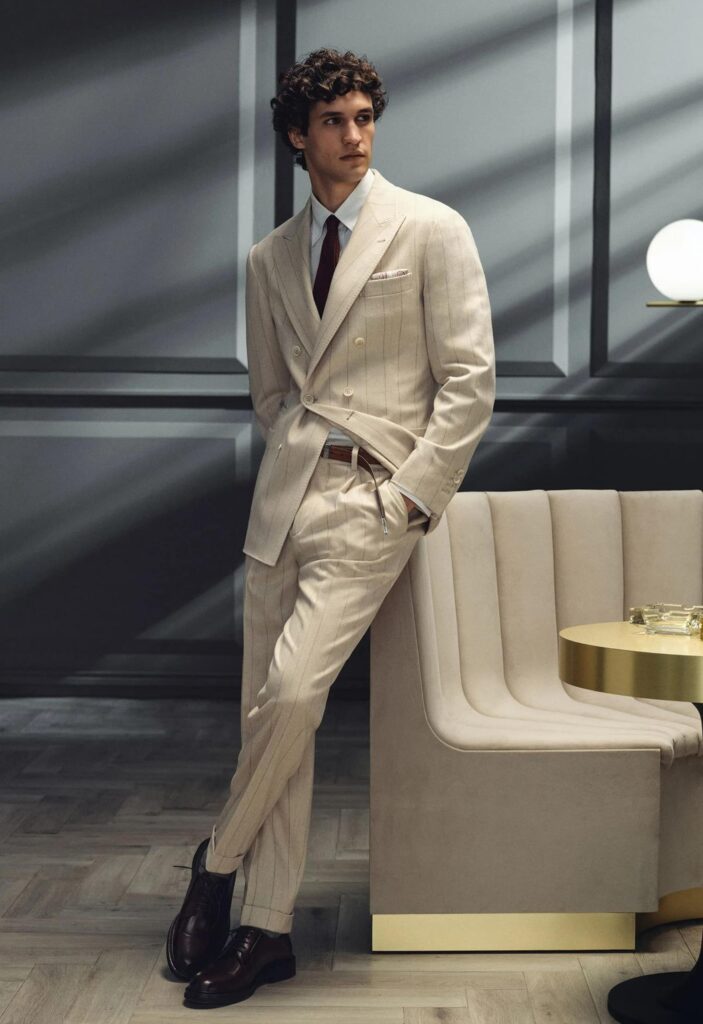
I started noticing something about suits in Dubai after spending time around professionals who wore tailoring almost daily. The men who looked the most put together were rarely the ones wearing the heaviest or sharpest suits. Usually, they wore garments that moved naturally, stayed comfortable through long afternoons and still looked refined by evening. That balance matters here. Dubai’s climate, long workdays and fast-moving routines change what people expect from tailoring. Nobody wants a jacket that feels stiff after thirty minutes outside. Modern tailoring in Dubai has shifted toward breathable fabrics, lighter structure and precision fitting that supports movement instead of restricting it. The result feels more natural, more wearable and honestly far more practical for everyday professional life.
The Philosophy Behind Modern Tailoring
Modern tailoring feels different now compared to older formal suiting traditions. Years ago, many suits focused almost entirely on appearance. Strong shoulders, rigid chest structure, heavy cloth. It looked impressive standing still but didn’t always feel comfortable after a full day of wear.
That approach has softened quite a bit, especially in Dubai. Tailors today pay closer attention to how garments behave in real situations. Walking through meetings, sitting for hours, travelling across the city, stepping outdoors into heat. A suit has to function through all of it without becoming uncomfortable halfway through the day.
I remember trying on a heavily structured jacket once during summer here. It looked clean in the mirror for ten minutes. Then the fabric started trapping warmth around the shoulders and upper back. You become aware of every layer quickly in this climate. That experience honestly changed how I looked at tailoring.
Tailors Design Clothing for Comfort and Structure
Experienced tailors study more than measurements alone. They notice posture, shoulder balance and how someone naturally moves while standing or walking.
A few things modern tailoring usually prioritizes now:
- Precise measurements that follow natural body shape
- Jackets with structure that still feel flexible
- Breathable fabrics suited for warmer weather
Good tailoring almost disappears while wearing it. You stop adjusting sleeves constantly. The jacket sits properly without feeling rigid. That’s usually the difference people notice first.
Comfort Improves Daily Wear
Comfort changes how often people actually wear tailored clothing. If a suit feels restrictive, it ends up hanging unused most of the time. But when tailoring feels easy on the body, it naturally becomes part of everyday dressing.
Well-balanced construction helps reduce pressure near the shoulders and chest. Softer canvassing also allows movement without making the garment lose shape. It sounds technical, but you mainly feel it while moving around naturally during long days.
There’s also a confidence shift that comes with comfort. When clothing fits properly, people stop thinking about the garment itself and focus more on conversations, work or whatever the day demands.
Fabric Selection Plays a Key Role in Comfort
Fabric changes everything. Same suit design, different cloth, completely different wearing experience. I think people sometimes underestimate how much fabric affects comfort until they wear the wrong material in Dubai heat.
Certain fabrics trap warmth almost immediately outdoors. Others feel surprisingly airy even after hours of wear. Good tailoring depends heavily on selecting cloth that works for climate, movement and lifestyle rather than appearance alone.
Breathable Fabrics Improve Wearability
Lighter fabrics help regulate temperature better throughout the day. You notice it most during long afternoons when heavier materials start feeling dense against the skin.
Experienced tailors often recommend breathable fabrics because they:
- Allow better airflow during warm weather
- Reduce stiffness while moving naturally
- Maintain cleaner drape without excessive heaviness
Lightweight garments also tend to feel less tiring during long workdays. That matters more than people expect honestly.
Common Fabric Options
Lightweight wool remains one of the most practical options because it balances elegance with breathability surprisingly well. Linen blends feel cooler and more relaxed visually, though yes, they crease easier. Cotton fabrics sit somewhere in between and work nicely for softer everyday tailoring.
Texture matters too. Open-weave fabrics generally feel cooler against the body compared to very compact cloth. Even small differences in weight become noticeable once you spend enough time moving around outside here.
Fabric Weight Matters
Heavy fabrics can create structure, but too much weight becomes uncomfortable quickly in warm climates. Tailors usually look for balance instead.
Lighter materials help maintain airflow while still preserving enough structure for professional settings. The goal isn’t overly soft clothing. It’s controlled comfort. Garments that feel polished without becoming exhausting after several hours.
Precision Fit Creates Comfort and Elegance
The biggest difference between ready-made clothing and tailored garments usually comes down to fit. Not tightness. Not trend-driven slimness. Just balance.
A properly tailored suit follows the body naturally without pulling awkwardly when sitting, walking or reaching forward. I’ve worn jackets before where the shoulders looked fine standing still but felt restrictive the second I moved. Good tailoring avoids that entirely.
Accurate Measurements Shape the Garment
Tailors rely on detailed measurements because small imbalances affect how the entire garment feels later. Sleeve pitch, shoulder slope, posture alignment — these details sound minor until they’re wrong.
Precise measurements help:
- Reduce tension around shoulders and chest
- Create cleaner balance between jacket and trousers
- Improve movement during long days of wear
The result usually feels effortless rather than overly “fitted.” That distinction matters quite a lot.
Proper Fit Improves Confidence
There’s something different about wearing clothing that fits properly. People stand straighter without trying. Movements feel smoother. Even long meetings become easier when clothing isn’t distracting or uncomfortable.
Balanced tailoring also photographs better naturally. Jackets fall cleaner, trousers move properly and proportions look more relaxed overall. You don’t get that stiff boxed-in appearance that heavier formal tailoring sometimes creates.
Why Clients Seek Professional Tailoring in Dubai
A lot of professionals in Dubai spend long hours between offices, events and social commitments. They need clothing that works through all of it without constantly needing adjustment or feeling uncomfortable halfway through the day.
That’s probably one reason professional tailoring remains so valued here. People aren’t only looking for style anymore. They want precision, comfort and consistency across multiple garments.
Skilled Tailors Deliver Personalized Garments
Experienced tailors usually spend time understanding how someone actually lives before shaping the garment. Some clients travel frequently. Others spend most of the day in meetings. Those details influence fabric choice, structure and overall fit.
Modern tailoring often includes:
- Fabric selection based on climate and routine
- Pattern shaping around exact body proportions
- Multiple fittings that refine balance gradually
This slower process creates garments that feel personal rather than mass produced.
Professional Tailoring Creates Long-Term Value
Well-made tailored clothing tends to last longer because it’s designed around the person wearing it. The fit remains more stable, movement feels easier and the garment usually gets worn more often.
That consistency matters over time. Especially for professionals who rely on tailoring regularly throughout the week.
How to Choose the Right Tailor
Finding the right tailor takes more than searching online for the nearest atelier. Location matters less than craftsmanship, consultation and understanding how garments should function in real life.
Look for Experience and Craftsmanship
Experienced tailors usually notice details quickly. They understand posture, cloth behavior and how construction affects comfort later.
A reliable tailor should understand:
- Fabric suitability for warm climates
- Structured garments without excessive stiffness
- Fit adjustments that improve movement naturally
The consultation process often says a lot too. Good tailors ask questions about lifestyle, work and daily wear habits instead of rushing measurements.
Choose Tailors Who Understand Lifestyle Needs
Some people need garments for formal business settings. Others need versatile tailoring that transitions into evening wear comfortably. A skilled tailor understands those differences and adjusts accordingly.
Tailoring works best when it reflects actual daily life instead of only visual trends.
The Growing Reputation of Dubai Tailoring
Dubai has quietly built a strong reputation for modern tailoring over the years. Part of that comes from the city itself. People here expect quality, precision and clothing that handles both climate and professional life comfortably.
Dubai Builds a Reputation for Modern Tailoring
Tailors in Dubai often combine traditional craftsmanship with lighter, climate-conscious construction. Clients want elegance, but they also want movement and comfort throughout the day.
That balance defines much of modern tailoring here now. Structured enough to look polished, relaxed enough to feel wearable.
Global Influence Shapes Local Craft
Dubai attracts professionals from many countries, and that mix influences tailoring standards heavily.
You see it in several ways:
- International clients expect refined craftsmanship
- Tailors adapt garments across business and formal wear
- Modern lifestyles shape softer construction choices
The tailoring industry here continues evolving because client expectations keep evolving too.
Where Comfort Meets Craftsmanship in Modern Tailoring
The best tailoring I’ve experienced never felt overly formal or rigid. It simply felt balanced. Comfortable enough for long workdays, polished enough for important meetings and refined without looking forced. That balance is exactly why tailoring in Dubai continues attracting professionals who value both appearance and wearability. Breathable fabrics, accurate measurements and thoughtful construction make a noticeable difference once tailoring becomes part of daily life instead of occasional dressing. Vogue Atelier approaches modern tailoring through that same lens, creating garments shaped around movement, climate and personal comfort. Contact Vogue Atelier to experience tailoring designed for confidence, ease and everyday sophistication.
FAQs
Why is comfort important in modern tailoring?
Comfort matters because professionals often wear tailored clothing for long hours during meetings, travel and social events. A comfortable suit supports movement naturally while still maintaining a polished and refined appearance throughout the day.
How does Dubai’s climate influence tailoring choices?
Dubai’s warm climate pushes tailors toward breathable fabrics, lighter construction and softer interiors. Heavy garments quickly feel uncomfortable outdoors, so modern tailoring focuses more on airflow, flexibility and balanced wearability for daily routines.
What fabrics are commonly used for comfortable tailored suits?
Lightweight wool, linen blends and cotton fabrics are commonly chosen because they allow better airflow and feel easier during extended wear. These materials also help garments maintain structure without becoming overly heavy or stiff.
Why does precise tailoring improve comfort?
Precise tailoring follows the body’s natural posture and movement instead of forcing rigid structure. Proper measurements reduce pulling near the shoulders, chest and sleeves, helping the garment feel smoother and easier during long wear.
What should clients look for when choosing a tailor in Dubai?
Clients should look for tailors who understand fabric behavior, climate conditions and personal lifestyle needs. A skilled tailor focuses on accurate fit, comfort, movement and thoughtful construction rather than appearance alone.