
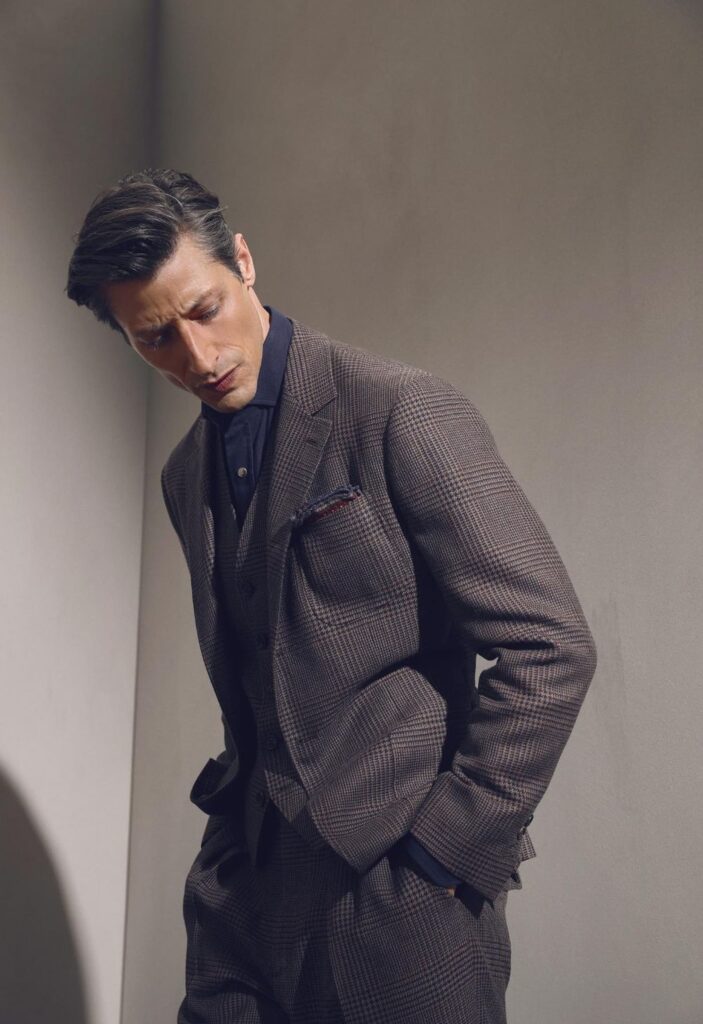
I understood the difference warm-weather tailoring makes the first time I wore a heavy structured suit outdoors in Dubai during summer. Indoors, everything looked sharp. The second I stepped outside, though, the jacket felt dense around the shoulders and the fabric stopped breathing almost immediately. That experience honestly changed how I looked at tailoring in hot climates. A summer suit cannot rely only on appearance. It has to stay comfortable through long afternoons, movement, meetings and changing temperatures without losing shape. Good tailoring in warm weather becomes less about stiffness and more about airflow, lighter construction and balance. The best summer suits feel refined without constantly reminding you that you are wearing one.
Why Climate Changes the Way a Suit Is Tailored
Climate affects tailoring more than most people realize. In cooler countries, heavier cloth and strong structure can feel comfortable for hours. In humid heat, those same details quickly become uncomfortable. Fabric starts trapping warmth, linings feel dense and movement becomes restricted.
That is why summer tailoring feels noticeably different. Everything from cloth weight to jacket construction has to adapt. Tailors in Dubai understand this well because clients spend their days moving between offices, cars, meetings and outdoor environments where heat changes how clothing behaves.
I noticed lighter tailoring makes a difference almost immediately during daily wear. The body moves more naturally, airflow improves and the jacket feels less tiring after several hours.
Heat Alters Fabric Performance
Heat changes the way fabrics react during wear. Dense materials hold warmth longer and reduce airflow across the body.
A few things matter more in warm climates:
- Lightweight cloth helps reduce heat buildup
- Natural fibers improve airflow around the body
- Breathable fabrics feel easier during long wear
Good summer tailoring usually starts with the fabric itself. Once the cloth traps too much heat, the rest of the suit struggles to compensate.
Moisture Control Improves Daily Comfort
Humidity creates another challenge entirely. Fabric not only needs airflow, it also needs to handle moisture properly throughout the day. Some materials dry faster and feel lighter against the skin even after extended wear. Others become heavy quickly. You notice this most around the back, chest and inside the sleeves during hotter afternoons.
Balanced lining helps too. Too much internal layering makes the suit feel sticky surprisingly fast in humid conditions.
What Makes Summer Suits Different?
Traditional suits are often built with heavier materials and full linings that trap heat. Summer suits, on the other hand, are engineered to improve airflow and reduce weight.
Key characteristics include:
- Lightweight construction
- Reduced shoulder padding
- Partial or unlined interiors
- Breathable natural fabrics
- Softer silhouettes
- Improved mobility
These details help maintain elegance while making the suit easier to wear in high temperatures.
Humidity Affects Structure and Fit
Humidity changes how garments sit on the body. Fabric softens slightly, movement increases and jackets react differently once heat and moisture build throughout the day. Traditional rigid tailoring often struggles in these conditions because heavy structure resists natural movement. Softer tailoring adapts better.
Construction Must Remain Balanced
Warm-weather tailoring usually reduces unnecessary weight inside the jacket. Heavy canvassing and thick shoulder padding trap heat and make movement feel more restricted.
Modern summer construction often focuses on:
- Lighter internal support for easier movement
- Reduced stiffness around shoulders and chest
- Cleaner drape without excessive structure
I personally think softer construction looks more natural too. The jacket moves with the body instead of looking overly rigid while walking or sitting.
Precision Measurements Protect the Fit
Fit matters even more during summer because heavier clothing layers are usually removed. Every imbalance becomes easier to notice. Experienced tailors study posture, shoulder slope and stance carefully before shaping the garment. A good summer suit should feel controlled but not tight. Tightness becomes uncomfortable much faster in heat.
During fittings, small adjustments often improve airflow more than people expect. Slight sleeve changes or chest balance refinements can completely change how breathable the suit feels later.
Movement Becomes More Important
People naturally move differently in hot weather. You walk faster between air-conditioned spaces, adjust posture more often and react differently to heat throughout the day. Tailoring has to support that movement instead of restricting it.
Airflow Supports Comfort
Good airflow changes how long a suit remains comfortable. Some jackets almost trap warm air around the upper body, while others release heat surprisingly well.
A few structural details help noticeably:
- Balanced jacket length improves ventilation
- Proper sleeve positioning supports movement
- Lightweight construction prevents heaviness
The best summer jackets usually feel lighter than expected once you start moving around in them.
Flexibility Protects the Garment Shape
There is a misconception that softer tailoring loses shape easily. Good construction actually prevents that. A properly balanced jacket still keeps clean lines while allowing easier movement through the shoulders and sleeves.
I have noticed heavily structured jackets crease awkwardly faster during warm days because the fabric resists natural movement. Softer tailoring handles motion better without looking messy afterward.
Fabric Choices That Support Warm-Weather Tailoring
Fabric probably influences comfort more than anything else in a summer suit. The same suit pattern can feel completely different depending on the cloth chosen.
Lightweight Natural Fibers
Natural fibers work well in heat because they allow better temperature regulation during wear. They breathe more naturally and generally feel softer against the skin during long days.
Several qualities matter most:
- Better airflow around the body
- Reduced heat trapped inside the garment
- Improved moisture control during wear
That difference becomes obvious after spending even an hour outdoors in summer weather.
Open Weave Fabrics
Open-weave fabrics allow steady ventilation through the cloth itself. Air passes more freely, reducing that heavy trapped feeling many formal suits create.
These fabrics usually feel:
- Lighter during daytime wear
- Less restrictive around movement
- Cooler across the shoulders and back
Even visually, open-weave fabrics often look softer and more relaxed under natural daylight.
Lightweight Wool
A lot of people assume wool automatically feels too warm for summer, but lightweight wool actually performs very well in heat. Fine wool fibers regulate temperature better than expected and maintain elegant drape without excessive weight.
It also wrinkles less aggressively compared to some lighter fabrics, which helps during longer workdays or travel schedules.
Linen Blends
Linen blends remain popular for warm-weather tailoring because they combine airflow with slightly better structure. Pure linen breathes beautifully, though the wrinkling can feel excessive for some professionals.
Blended linen usually offers:
- Better airflow during humid days
- Softer texture against the skin
- Cleaner structure with less creasing
Personally, I think linen suits look best when they are allowed to relax slightly rather than staying perfectly pressed all day.
How Suit Construction Changes in Hot Climates
Construction matters just as much as fabric. A breathable cloth alone cannot solve discomfort if the jacket interior remains too heavy.
Softer Internal Structure
Summer suits often reduce heavy shoulder padding and thick internal canvassing. This keeps the jacket lighter and more flexible throughout wear.
Tailors usually adjust:
- Internal canvassing weight
- Shoulder structure and padding
- Layering inside the jacket
These changes help the suit feel easier during movement and less tiring over long hours.
Reduced Layering
Extra lining traps warmth quickly. Warm-weather tailoring simplifies construction wherever possible without losing overall balance. Some jackets feel dramatically cooler simply because unnecessary internal layers have been removed carefully. It sounds small, but during humid afternoons the difference feels obvious.
Balanced Jacket Length and Ventilation
Proper proportions support airflow more than people realize. Jacket length, vent placement and sleeve balance all affect ventilation during movement.
When these details work together correctly, the suit moves cleaner and feels more comfortable naturally throughout the day.
The Role of Precision Measurements
Summer tailoring depends heavily on precise measurements because lighter fabrics reveal imbalance faster. A poor fit becomes more noticeable once bulky structure disappears.
Posture-Focused Pattern Drafting
Experienced tailors study posture carefully before drafting patterns. Shoulder alignment, chest stance and waist balance all shape how the garment sits later.
Key measurements often include:
- Shoulder slope and balance
- Chest and back posture
- Natural waist position
Good tailoring follows the body rather than forcing exaggerated shape onto it.
Fittings That Refine Comfort
Fittings refine movement gradually. Sometimes tiny adjustments completely change how breathable or balanced a suit feels.
Tailors usually refine:
- Sleeve position and pitch
- Chest balance and airflow
- Shoulder alignment for easier movement
The process feels subtle while fitting, but the difference during real wear becomes obvious later.
Tailoring That Performs in Warm Climates
The best summer tailoring never feels overly complicated. It simply works. Breathable fabric, lighter construction and accurate fit come together quietly so the garment remains comfortable through long days without losing elegance. That balance matters even more in cities like Dubai where climate affects every detail of daily dressing. Vogue Atelier approaches warm-weather tailoring with careful fabric selection, softer structure and precise fittings shaped around movement and comfort. Contact Vogue Atelier to experience summer tailoring designed to stay refined, breathable and wearable even during the hottest months.
Read More:The Rise of Relaxed Tailoring in Dubai: Casual Suits Done Right
FAQs
What makes a summer suit different from a regular suit?
Summer suits are made with lighter fabrics, softer structure and better airflow. They feel less heavy during warm days and stay more comfortable when moving between meetings, travel and outdoor heat.
Which fabric works best for summer suits in humid weather?
Lightweight wool, linen blends and breathable cotton fabrics usually perform best. They allow air circulation, reduce trapped heat and feel easier to wear during long humid afternoons or busy work schedules.
Why does tailoring matter more in hot climates?
Poor tailoring feels uncomfortable much faster in heat. A properly tailored summer suit improves airflow, supports movement and prevents tightness around the shoulders, chest and sleeves during extended daily wear.
Are linen suits practical for professional settings?
Yes, especially linen blends. They stay breathable while holding shape better than pure linen. Many professionals prefer them because they feel lighter and look relaxed without appearing overly casual or messy.
How should a summer suit fit properly?
A summer suit should feel light, breathable and easy to move in. The jacket should sit naturally on the shoulders without pulling, while the trousers should stay comfortable throughout long daytime wear.