
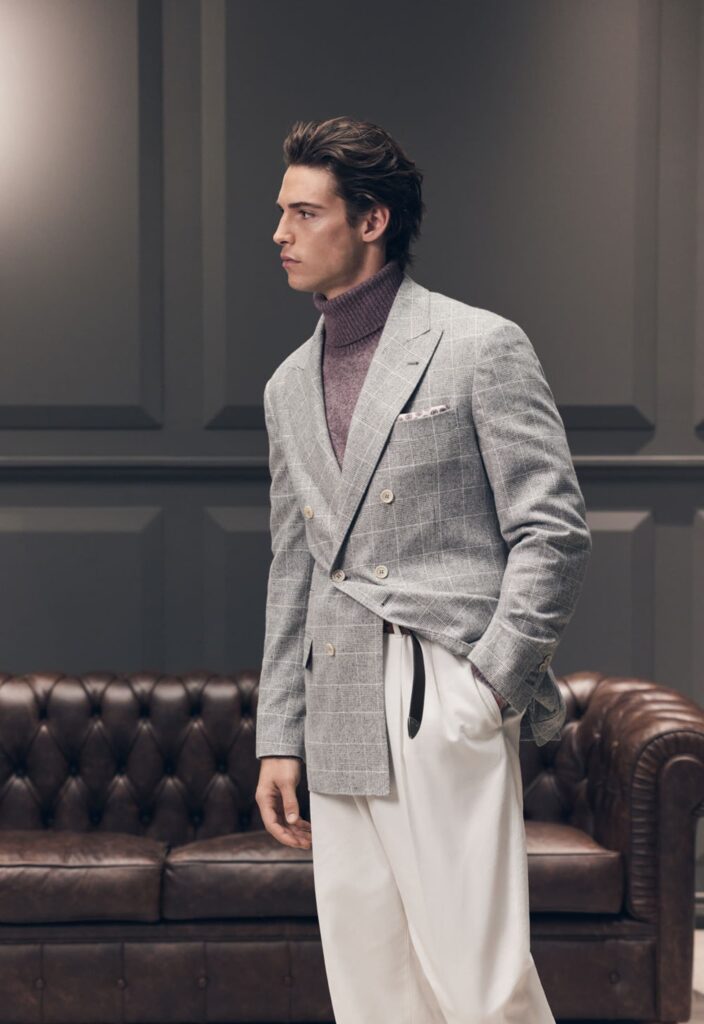
The word bespoke gets used so often now that it has almost started losing its meaning. I realized that after walking into different tailoring spaces in Dubai over the years and hearing completely different processes described with the exact same word. Some places adjusted ready patterns and called it bespoke. Others genuinely started from scratch, studying posture, movement and body balance before even touching fabric. The difference becomes obvious once you wear both. A true bespoke suit feels personal in a way standard tailoring usually does not. It sits differently, moves differently and honestly feels calmer on the body during long days. Real bespoke tailoring is not only about luxury. It is about precision, patience and garments shaped entirely around one individual.
Understanding the Meaning of Bespoke Tailoring
I used to think bespoke simply meant “expensive custom suit.” A lot of people still assume that. But the real meaning is far more specific than that. Traditionally, bespoke tailoring began with fabric being “spoken for” by a client. Over time, the word evolved into a tailoring method built around individual pattern drafting and careful hand-shaped construction. The important detail here is that the garment begins entirely from the beginning. Nothing gets pulled from an existing size block.
That changes everything about how the suit feels later. A proper bespoke process studies body posture, shoulder balance, stance and movement before the pattern even exists. The tailor shapes the garment around the person rather than forcing the person into a pre-existing structure. Once you experience that difference, ready-made adjustments start feeling very limited.
What Defines a True Bespoke Suit
Several things separate genuine bespoke tailoring from simpler alterations or made-to-measure adjustments.
The process usually includes:
- Individual pattern drafting from scratch
- Multiple fittings that refine balance gradually
- Careful finishing shaped around movement and comfort
Each stage builds on the previous one. Nothing feels rushed. That slower refinement is actually what gives bespoke tailoring its clean final result.
Individual Pattern Drafting
This part surprised me the most when I first understood the process properly. A bespoke tailor does not start with a standard template and tweak measurements slightly. The pattern gets drafted specifically for one body. Posture affects it. Shoulder slope affects it. Even how someone naturally stands while relaxed changes the final structure.
A tailor studies details like:
- Shoulder balance and natural stance
- Chest posture and waist positioning
- Movement patterns during fittings
These details sound subtle, but once the suit is finished, they completely affect how naturally the garment sits on the body.
Multiple Fittings
One fitting is rarely enough for a true bespoke suit. The garment evolves gradually through multiple stages, and honestly, that refinement process is where much of the craftsmanship becomes visible.
Why Fittings Matter So Much
During fittings, the tailor studies how the cloth behaves while the client moves naturally. A jacket can look perfect while standing still and then pull awkwardly the moment someone sits down or walks. That is why fittings matter. Small adjustments improve comfort more than most people expect.
Tailors often refine:
- Sleeve position and arm movement
- Jacket balance across shoulders and chest
- Waist shape and overall drape
Sometimes a tiny sleeve adjustment changes how the entire jacket feels during movement. It is strange how small details can completely change comfort levels.
The Suit Starts Feeling Personal
After multiple fittings, the suit slowly stops feeling like a garment being “tried on.” It starts feeling like something built specifically around the wearer. That is probably the hardest part to explain to someone who has never experienced bespoke tailoring before. The comfort feels different because the garment adapts to the body gradually instead of forcing immediate perfection on day one.
Why the Word “Bespoke” Often Causes Confusion
This confusion happens constantly now. Many brands use the word bespoke very loosely because it sounds premium, even when the process itself remains fairly standard. I have seen garments described as bespoke when they were essentially adjusted ready patterns with minor measurement changes. The fit may still look good, but technically it is not the same process.
Why Clients Get Confused
Several things usually create confusion around bespoke tailoring today:
- Marketing language that uses “bespoke” broadly
- Limited alterations presented as full custom work
- Little explanation about actual pattern drafting
The average client often cannot see the difference immediately because visually the suits may appear similar at first glance. The real difference usually appears later through comfort, movement and long-term wear.
Clear Communication Builds Trust
Good tailoring houses explain the process carefully instead of hiding behind vague luxury language. Clients should understand exactly how the garment is being built and what type of tailoring they are actually receiving. That transparency matters. Especially when investing in clothing meant to last years rather than seasons.
Know More:The Rise of Relaxed Tailoring in Dubai: Casual Suits Done Right
The Difference Between Made-to-Measure and Bespoke
People compare these two often, and honestly, the confusion makes sense because both produce tailored garments. But the starting point changes everything.
Made-to-Measure Starts With Existing Structure
Made-to-measure tailoring usually begins with an existing base pattern that gets adjusted using client measurements. The fit improves compared to ready-made clothing, but the foundation still comes from a pre-developed structure.
Typical characteristics include:
- Existing base patterns
- Fewer fittings during construction
- Adjustments rather than full redrafting
It works well for many people, but it follows a different philosophy from bespoke tailoring entirely.
Bespoke Starts From the Beginning
Bespoke tailoring builds the garment from scratch around one individual body.
The process focuses on:
- Personal pattern drafting
- Posture and movement correction
- Multiple refinements through fittings
That difference becomes noticeable not only visually but physically. The garment tends to move more naturally because it was shaped around the wearer from the start instead of modified afterward.
How Vogue Atelier Approaches Bespoke Tailoring in Dubai
What stands out in Dubai tailoring specifically is how climate and lifestyle influence construction decisions. A beautiful suit that feels too heavy after an hour outside simply does not work here.
Tailoring Around Lifestyle and Climate
Vogue Atelier approaches bespoke tailoring by studying how clients actually live day to day. Long meetings, movement between locations, warm weather and extended wear all affect tailoring choices.
The process often begins with:
- Detailed body measurements
- Posture and shoulder balance review
- Fabric selection suited to climate and routine
That climate awareness matters more in Dubai than many people realize. Breathability changes comfort dramatically throughout long days.
Fabric and Detail Selection
Fabric shapes the personality of the suit almost immediately. Lightweight wool feels very different from dense formal cloth. Linen blends move differently again.
Clients also refine details like:
- Lapel shape and jacket structure
- Lining choices and button style
- Pocket design and fabric texture
Personally, I think this stage is where bespoke tailoring starts becoming enjoyable rather than purely technical, especially when clients begin exploring details like fabric texture, collar shape and well-fitted custom shirts alongside the suit.
Why Fit and Comfort Define a Bespoke Suit
The best bespoke suits rarely feel dramatic while wearing them. They simply feel balanced. Nothing pulls awkwardly when sitting, walking or reaching forward. The jacket follows movement naturally, and after a while, you almost stop noticing the garment entirely.
Movement Matters More Than People Expect
A good bespoke jacket should move naturally while sitting, walking or reaching forward. There should not be pulling near the chest or tension through the sleeves.
Important structural details include:
- Balanced shoulder alignment
- Correct jacket length and waist position
- Sleeve placement that supports movement
You notice comfort most during long days. That is usually when precise tailoring proves its value properly.
Comfort Creates Confidence
People stand differently in clothing that fits properly. Shoulders relax more naturally. Movements feel smoother, especially when garments are shaped through a more comfort-focused tailoring approach suited to Dubai’s climate. The suit becomes less distracting. That quiet confidence is honestly one of the strongest reasons bespoke tailoring continues holding value despite changing fashion trends.
How Tailoring Adapts to Dubai’s Climate
Dubai tailoring cannot ignore the climate. Heavy formal construction becomes uncomfortable quickly in heat and humidity. That’s why lighter fabrics, softer jacket structure and breathable interiors matter so much here, especially during long workdays and constant movement across the city.
Breathability Becomes Essential
Warm-weather tailoring usually prioritizes:
- Lightweight breathable fabrics
- Softer internal structure
- Comfortable lining choices
These adjustments help maintain airflow while preserving clean lines and elegant drape.
Structure Without Excess Weight
Modern bespoke tailoring in Dubai often feels lighter than traditional European formal tailoring. That does not reduce refinement. If anything, softer construction usually feels more natural during daily wear.
Good tailoring here balances structure carefully instead of relying on unnecessary heaviness.
Bespoke Tailoring Is More Than a Label
True bespoke tailoring is not just a luxury term or marketing phrase. Once you understand the process closely, the difference becomes very real. Individual pattern drafting, multiple fittings and careful construction create garments that feel personal in a way standard tailoring rarely achieves. In Dubai especially, climate and movement make comfort just as important as appearance, which is why thoughtful bespoke tailoring matters so much. Vogue Atelier approaches tailoring through careful craftsmanship, balanced structure and precise refinement shaped around real daily wear. Speak with Vogue Atelier to explore bespoke tailoring shaped around your posture, lifestyle and personal way of dressing.
Get the details:Summer Suits for Men: How Tailoring Changes in Hot, Humid Climates
FAQs
What makes a bespoke suit different from made-to-measure tailoring?
A bespoke suit starts with an individual paper pattern drafted completely from scratch. Made-to-measure adjusts an existing template instead. Bespoke tailoring also includes multiple fittings that refine posture, balance and overall movement.
Why does bespoke tailoring feel more comfortable during daily wear?
Bespoke tailoring follows natural body posture rather than forcing the body into standard sizing. Careful fittings improve shoulder balance, sleeve movement and overall comfort, especially during long workdays or extended formal occasions.
How many fittings are usually required for a bespoke suit?
Most bespoke suits require multiple fittings because the garment develops gradually over time. Tailors refine structure, sleeve position, chest balance and movement step by step until the final silhouette feels natural and clean.
Why is lightweight tailoring important in Dubai?
Dubai’s climate makes heavy formal construction uncomfortable very quickly. Lightweight fabrics, breathable interiors and softer jacket structure help tailored garments remain wearable through heat, humidity and long hours of daily movement.
Does bespoke tailoring improve the way a suit looks over time?
Yes, because the suit is shaped around posture, body balance and movement from the beginning. This usually helps the garment maintain cleaner lines, better comfort and a more consistent silhouette through repeated wear.