
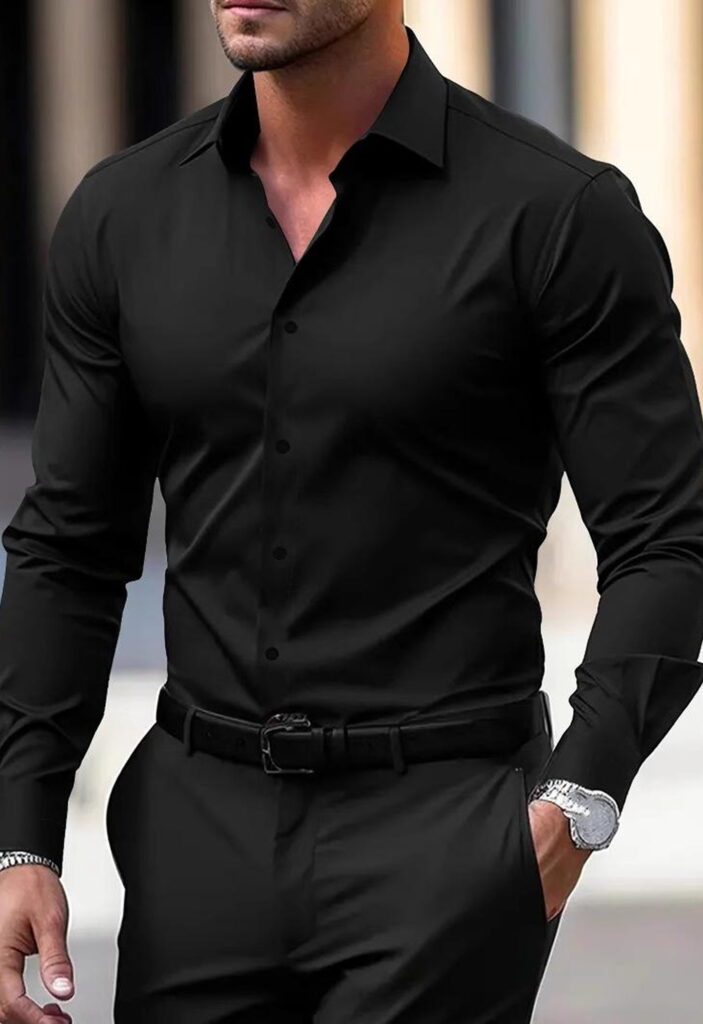
A well-fitted shirt shapes the foundation of refined dressing. Many people start with ready garments, yet standard sizing often limits comfort and balance. Bespoke dress shirts solve this problem by shaping the garment around the wearer rather than forcing the body into preset measurements.
At Vogue Atelier, the process begins with precise measurement, fabric selection, and careful study of posture, collar balance, and sleeve length. The tailor drafts a pattern that reflects how the body moves during daily activity. This approach produces a shirt that feels comfortable, sits clean under a jacket, and supports a refined appearance from morning to evening.
Understanding the Difference Between Custom Shirts and Off-the-Rack
A well-made shirt should follow the shape of the body. Off-the-rack clothing usually follows a preset size chart. A custom shirt begins with the wearer and adapts to individual body balance. Standard garments often fit one area but miss another. The collar may feel tight while the chest feels loose. Sleeve length may also fall short or extend too far. At Vogue Atelier, shirt tailoring begins with detailed measurement and body study. The tailor observes posture, shoulder line, and arm position before drafting the shirt pattern.
Key differences between custom and ready shirts include:
- Measurements based on the wearer’s body
- Pattern created for posture and movement
- Balanced fit across collar, shoulder, and waist
Standard Sizing vs Individual Measurement
Off-the-rack shirts follow a general sizing system. Manufacturers design these shirts for average body shapes. Most people do not match these standard proportions. Individual measurement solves this issue. The tailor measures collar size, chest width, sleeve length, and shoulder slope. Each measurement helps create a balanced shirt pattern.
Important measurements in a custom shirt include:
- Collar size that sits comfortably around the neck
- Shoulder width that aligns with natural posture
- Sleeve length that ends neatly at the wrist
Why Standard Sizing Limits Fit
Preset sizing often causes small but noticeable problems. The shirt may feel tight in one area and loose in another. These imbalances affect both comfort and appearance. Standard sizing cannot adapt to posture or body shape. Many ready shirts create extra fabric around the waist or chest.
Common fit issues with preset sizes include:
- Excess fabric around the waist
- Tight collar that restricts comfort
- Sleeves that appear too long or too short
These limits explain why many professionals choose custom shirt tailoring for better fit and everyday comfort.
How Precise Measurement Changes Shirt Fit
Precise measurement shapes the shirt around the wearer’s body. A well-measured shirt supports comfort and a clean appearance. The garment follows natural posture instead of forcing the body into a preset size. A balanced shirt improves daily comfort. The collar rests well around the neck, and the shoulder line sits correctly. The shirt then moves naturally during work and daily activity.
Key benefits of precise measurement include:
- Collar that rests comfortably around the neck
- Shoulder line that aligns with natural posture
- Sleeves that fall neatly at the wrist
Measuring Collar, Chest, and Sleeve Length
Accurate measurement forms the base of a custom shirt. The tailor measures the collar, chest width, and sleeve length with care. These measurements guide how the shirt pattern develops. The collar measurement ensures comfort around the neck. Chest measurement shapes the shirt body without tightness. Sleeve length determines how the cuff sits near the wrist.
Important measurements for a balanced shirt include:
- Collar size that allows easy movement of the neck
- Chest width that avoids pulling across the front
- Sleeve length that aligns with wrist position
Accurate measurements guide the pattern and support a refined appearance.
Balanced Fit Across the Shoulder and Waist
A balanced fit keeps the shirt comfortable and clean in shape. The shoulder seam should sit at the natural shoulder edge. The waist should follow the body without extra fabric. When the shirt fits correctly, the garment stays smooth while standing or sitting. The fabric should not pull across the chest or bunch near the waist.
Key elements of balanced fit include:
- Shoulder seam aligned with natural shoulder line
- Waist shape that follows the body’s contour
- Shirt length that stays tucked during movement
A tailored shirt maintains clean lines without pulling or excess fabric.
Fabric Selection in Bespoke Dress Shirts
Fabric plays a major role in how a shirt feels and looks. The right cloth supports comfort, breathability, and a refined appearance. A well-chosen fabric also helps the shirt maintain shape during long hours of wear.
A bespoke shirt begins with thoughtful fabric selection. The cloth must suit daily routine, climate, and personal preference. When the right fabric meets precise tailoring, the shirt becomes both practical and elegant.
Important factors when selecting fabric include:
- Breathable cloth that supports airflow
- Fabric weight that suits warm weather
- Material strength that supports daily wear
Choosing Fabric for Climate and Daily Wear
Climate plays a major role in fabric choice. Warm weather requires lightweight cloth that allows air to move freely. Breathable material keeps the body cool during long days. Fine cotton fabrics often work well for daily shirts. These fabrics feel light and maintain a smooth appearance. The cloth also supports comfort under a jacket.
Important qualities for climate-friendly fabric include:
- Lightweight cotton that improves airflow
- Fine weave that reduces heat buildup
- Smooth texture that feels soft on the skin
Texture and Weave Shape the Shirt’s Character
Fabric texture influences how the shirt looks and feels. Different weaves create different levels of structure and softness. The right weave improves both style and durability. Fine fabric also helps the shirt hold its shape during wear. The cloth should drape smoothly across the body.
Key fabric qualities that shape the shirt include:
- Tight weave that supports durability
- Smooth surface that maintains a polished look
- Balanced weight that supports structure
The Role of Collar and Cuff Design
Small design details shape the character of a custom shirt. The collar and cuff affect both appearance and balance. These elements also influence how the shirt works with a suit jacket. A well-designed collar frames the face and supports the jacket line. The cuff controls sleeve length and wrist balance. When these details align with the wearer’s proportions, the shirt looks refined and comfortable.
Important design factors include:
- Collar shape that balances the face and neck
- Cuff design that supports sleeve proportion
- Construction that maintains structure during wear
Collar Structure and Face Balance
The collar serves as the visual frame of the shirt. It sits close to the face and supports the jacket collar. A well-shaped collar improves the overall appearance of the outfit. The tailor chooses collar height and spread based on the wearer’s features. These details help the collar sit neatly under a jacket.
Key collar elements include:
- Collar height that fits the neck comfortably
- Collar spread that balances the face shape
- Collar structure that holds form during wear
The collar frames the face and supports the jacket line while maintaining comfort.
Cuff Style and Sleeve Proportion
Cuff design affects how the sleeve appears at the wrist. The cuff should align with the jacket sleeve and maintain a clean edge. Proper cuff design improves the shirt’s overall balance. The tailor also considers wrist size and sleeve length. These measurements help the cuff sit neatly during movement.
Important cuff design features include:
- Cuff width that fits the wrist comfortably
- Sleeve length that ends neatly at the cuff
- Button or French cuff style that suits formal wear
Comfort and Movement in a Custom Shirt
A custom shirt should support natural movement during daily activity. The garment must follow the body without pulling or tightening. Proper tailoring ensures comfort from morning meetings to evening events. Standard shirts often restrict motion around the shoulder and chest. A tailored shirt solves this issue through correct measurement and balanced construction. The shirt then moves with the body instead of resisting movement.
At Vogue Atelier, the tailor studies posture and arm movement before shaping the shirt pattern. This process helps create a garment that feels relaxed while maintaining a clean silhouette.
Important comfort features in a tailored shirt include:
- Shoulder alignment that supports natural posture
- Chest space that prevents fabric tension
- Sleeve design that allows free arm movement
These details help the shirt remain comfortable during daily activity.
See More: How Bespoke Tailoring in Palm Jumeirah Reflects Dubai’s Luxury Lifestyle
Sleeve and Armhole Placement
Sleeve and armhole placement play a major role in shirt comfort. The sleeve must connect smoothly with the shoulder line. Correct armhole position allows the arm to move easily. A balanced sleeve prevents the shirt from pulling across the back or chest. The wearer should raise the arm without lifting the entire shirt.
Important sleeve construction elements include:
- Armhole height that supports natural shoulder motion
- Sleeve length that ends cleanly at the wrist
- Balanced sleeve width that allows easy movement
Correct placement allows easy arm movement while maintaining a refined shape.
Shirt Balance During Daily Activity
A well-balanced shirt remains comfortable throughout the day. The garment should stay smooth while the wearer sits, walks, or reaches. Proper construction helps the shirt keep its shape during movement. Balanced tailoring reduces fabric bunching and tension. The shirt should remain neat under a jacket or when worn alone.
Key balance features include:
- Shoulder fit that supports posture during movement
- Shirt length that stays secure when tucked
- Waist shape that avoids excess fabric
The Custom Shirt Process at Vogue Atelier
A custom shirt develops through a careful and structured tailoring process. Each step focuses on comfort, fit, and refined appearance. The process begins with understanding the wearer’s lifestyle and clothing needs. At Vogue Atelier, the tailor studies posture, routine, and preferred style before shaping the garment. This method ensures the shirt supports daily activity while maintaining a clean silhouette.
The tailoring process follows clear stages that guide the garment from concept to completion.
Key steps in the process include:
- Personal consultation to understand lifestyle and wardrobe needs
- Fabric selection suited to climate and daily wear
- Precise measurements that guide the shirt pattern
These steps help create a shirt that feels balanced and comfortable.
Consultation and Fabric Selection
The tailoring journey begins with a personal consultation. The tailor discusses daily routine, work environment, and style preference. This conversation helps determine how the shirt should function. Fabric choice follows this discussion. The tailor guides the client through cloth options that suit climate and comfort. The fabric must feel light while maintaining structure.
Important points during consultation include:
- Lifestyle and daily shirt use
- Preferred collar and cuff style
- Fabric weight that supports warm weather comfort
The process begins with discussing lifestyle and daily wear.
Measurement and Fitting
Precise measurement shapes the foundation of the custom shirt. The tailor measures collar size, chest width, sleeve length, and shoulder alignment. These measurements guide the pattern drafting stage. Fitting sessions refine the garment as construction progresses. The tailor studies how the shirt sits on the body and adjusts small details.
Key elements checked during fitting include:
- Shoulder alignment and sleeve balance
- Collar comfort around the neck
- Shirt length that remains secure when tucked
The tailor refines the shirt through precise adjustment until the garment reaches its final balanced fit.
Why Bespoke Dress Shirts Transform Everyday Dressing
Every refined wardrobe begins with a well-fitted shirt. A shirt that fits correctly improves posture, comfort, and daily confidence. Many ready garments miss this balance, but a carefully tailored shirt changes the entire experience. At Vogue Atelier, shirt tailoring focuses on precise measurement, thoughtful fabric choice, and balanced construction. The result is a garment that sits clean across the shoulder, supports the structure of a jacket, and remains comfortable during long hours of wear.
Choosing bespoke dress shirts means choosing clothing designed specifically for your body and routine. The shirt follows natural movement while maintaining a refined silhouette.
Create your custom shirt with Vogue Atelier today and experience a custom shirt crafted with precision, comfort, and refined style.
Learn More: Why a Bespoke Suit Feels Different: Fit, Posture, and Natural Movement